August 16, 2024
Protecting Yourself and your Company from Phishing Attacks: A Comprehensive Guide
Share:
Introduction:
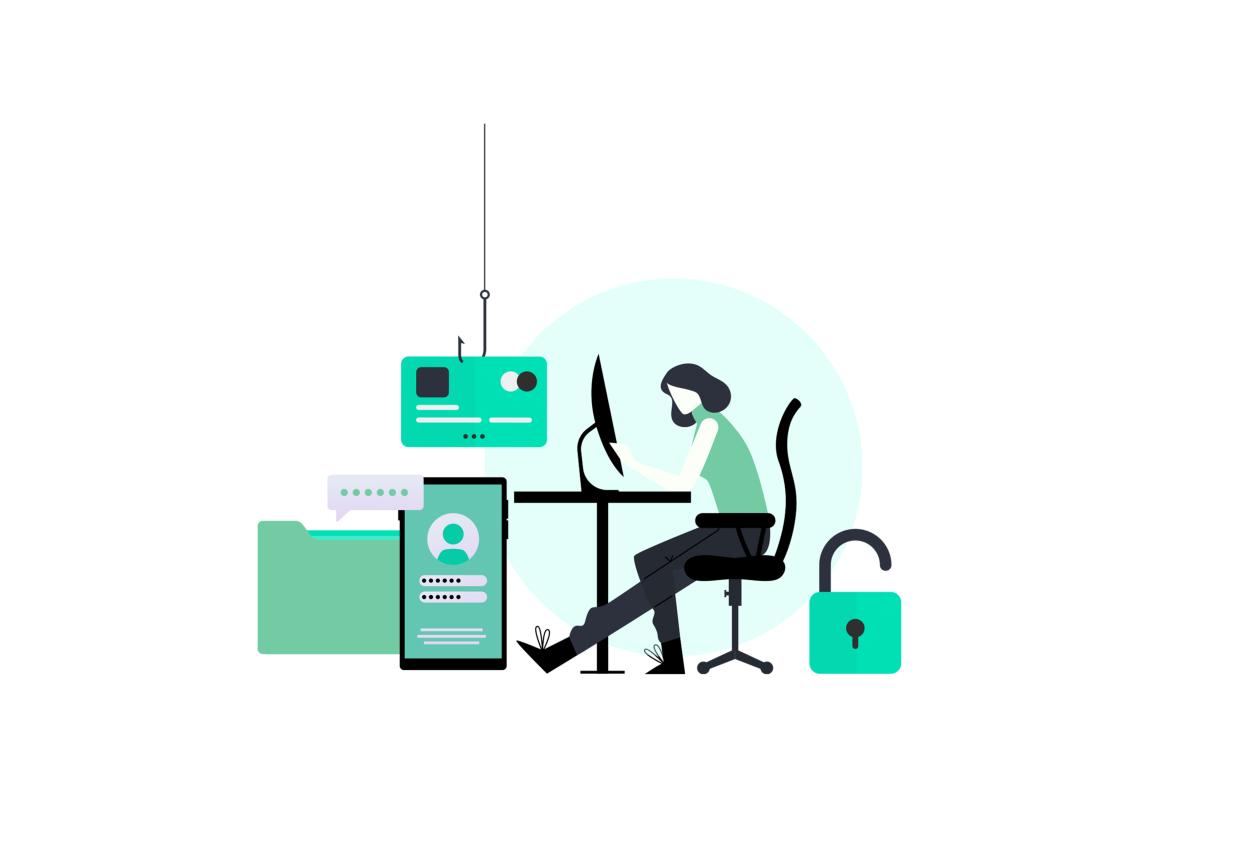
In our increasingly interconnected world, the threat of phishing attacks has grown significantly. This blog focuses on raising awareness and equipping you with the knowledge to recognize, avoid, and mitigate these cyber threats, ensuring a safer online experience. Join us on this journey to bolster your digital defenses against phishing attacks.
What is Phishing?
- Business Email Compromise (BEC): BEC attacks, also known as CEO fraud, are especially harmful to organizations. They involve impersonating high-level executives to manipulate employees into taking actions that can lead to financial loss or data breaches. These attacks are often highly targeted and can result in significant financial and reputational damage.
- Smishing (SMS Phishing): Smishing leverages text messages to trick recipients into clicking on malicious links or sharing sensitive information. With the prevalence of mobile devices, smishing has become a common and impactful threat. Attackers often use urgent language to prompt immediate action, making it crucial to remain vigilant.
- Vishing (Voice Phishing): Vishing exploits the human element by using phone calls to impersonate trusted entities. This approach can be highly effective, as it preys on individuals' trust in voice communication. Attackers may pose as representatives from banks, tech support, or other legitimate organizations to extract sensitive information.
Best Practices for Phishing Protection:
- Verify Sender Information: Always check the sender's email address and domain for legitimacy. Be cautious of minor spelling variations or unusual domain names.
- Exercise Caution: Avoid clicking on links or downloading attachments in unsolicited emails. If you receive an unexpected email with a link or attachment, verify its authenticity through a separate communication channel.
- Use 2FA: Enable two-factor authentication (2FA) for added account security. This provides an additional layer of protection by requiring a second form of verification, such as a text message or authentication app.
- Educate Yourself: Stay informed about common phishing signs and share this knowledge with others. Regularly participate in cybersecurity training and encourage your organization to conduct phishing simulations.
- Think Before Sharing: Be cautious about oversharing personal information on social media. Attackers can use publicly available information to craft more convincing phishing messages.
- Keep Software Updated: Ensure your operating system and security software are up-to-date to prevent malware attacks. Regular updates patch vulnerabilities that attackers could exploit.
Conclusion:
Phishing attacks are a pervasive and evolving threat in today's digital landscape. By understanding the different types of phishing and implementing best practices for protection, you can significantly reduce the risk of falling victim to these attacks. At Beriflapp, we are dedicated to promoting cybersecurity awareness and providing tools and resources to help you stay safe online. Remember, vigilance and education are your best defenses against phishing attacks. Stay informed, stay protected, and help others do the same.

Company
About us
Our Work
Services
Blogs
Careers
Contact us
Find us
Copyright © 2024 Beriflapp. All rights reserved.
Legal Disclaimer
Policies