July 8, 2023
Strengthening Software Development: The Power of Cybersecurity Integration
Share:

Introduction:
In today's technology-driven world, software development and cybersecurity go hand in hand. As the number of cyber threats continues to rise, integrating cybersecurity practices into the software development life cycle (SDLC) has become crucial. This blog post explores the significance of cybersecurity integration in software development and how it can enhance the overall security posture of applications.
The Growing Importance of Cybersecurity in Software Development:
The proliferation of cyberattacks has put organizations on high alert, emphasizing the need for robust cybersecurity measures. In the realm of software development, incorporating cybersecurity from the ground up ensures that applications are built with security in mind. This proactive approach reduces the risk of vulnerabilities and strengthens the overall resilience of software systems.
Integrating Cybersecurity into the SDLC:
To effectively integrate cybersecurity, organizations should consider implementing security practices throughout the entire SDLC. This includes incorporating security requirements into the initial design phase, conducting thorough security testing during development, and continuous monitoring and vulnerability management in the deployment and maintenance stages. By adopting this holistic approach, organizations can identify and mitigate potential security flaws early on, reducing the chances of successful cyberattacks.
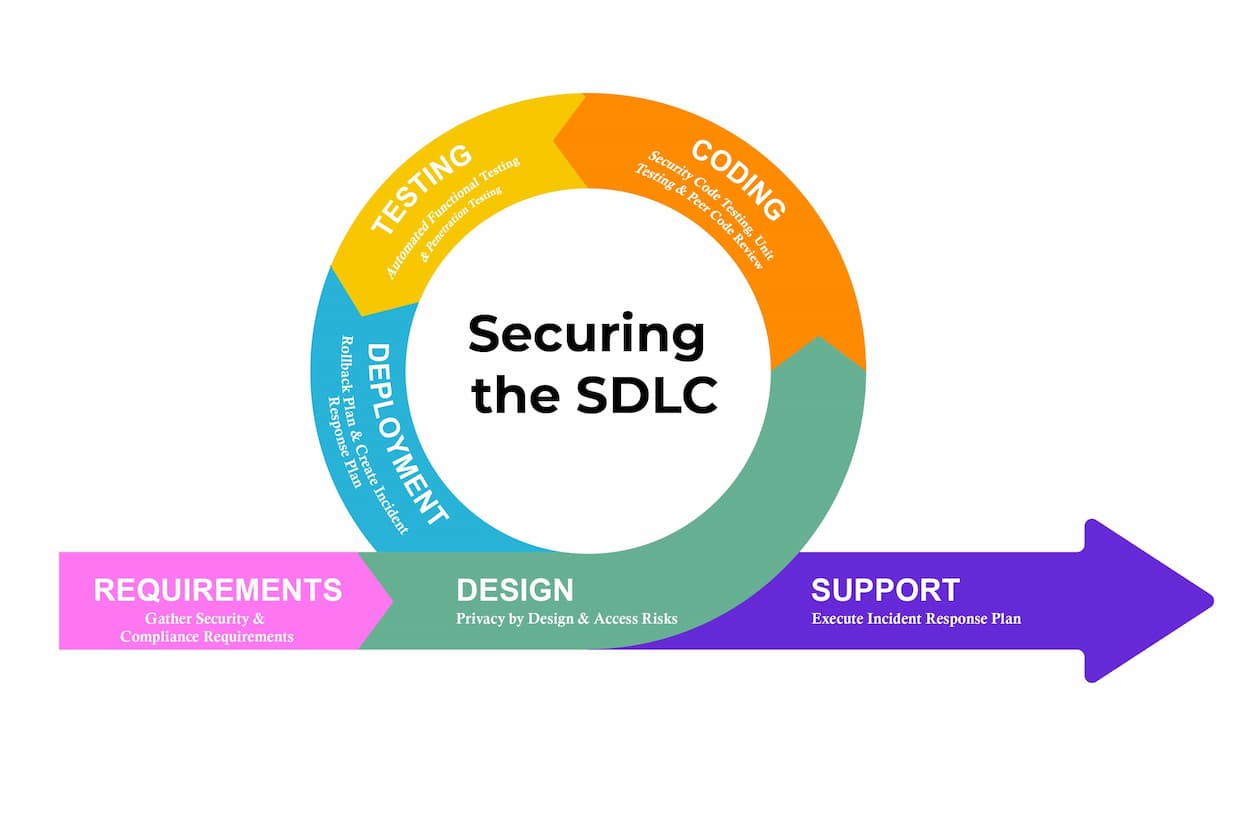
Benefits of Cybersecurity Integration:
Integrating cybersecurity practices into software development offers numerous benefits, such as:
- Enhanced Security: By integrating cybersecurity into the SDLC, organizations can identify and address vulnerabilities before they become exploited. This significantly reduces the risk of data breaches, unauthorized access, and other security incidents.
- Cost Efficiency: Detecting and fixing security issues early in the development cycle is more cost-effective than dealing with breaches and their aftermath. Cybersecurity integration helps organizations save both time and money by preventing potential attacks and minimizing the impact of any security incidents that may occur.
- Regulatory Compliance: Many industries have strict regulatory frameworks, such as GDPR and HIPAA, that mandate the implementation of robust security measures. By integrating cybersecurity into software development, organizations can ensure compliance with these regulations and avoid penalties and reputational damage.
- Customer Trust and Competitive Advantage: In today's cybersecurity-conscious environment, customers prioritize applications with strong security measures. By demonstrating a commitment to cybersecurity integration, organizations can build trust with their customers, gain a competitive advantage, and potentially attract more business opportunities.
Challenges and Best Practices:
While integrating cybersecurity into software development is beneficial, it is not without its challenges. Some common hurdles include the complexity of security requirements, limited resources, and the need for continuous training and awareness. However, organizations can overcome these challenges by:
- Promoting a Security Culture: Encouraging a security-first mindset among developers and stakeholders creates a culture where security is a shared responsibility. This involves providing security training, conducting regular security assessments, and fostering open communication channels.
- Security Testing: Security testing can help streamline the process and ensure consistent coverage of security for the whole product. This includes static code analysis, dynamic application security testing (DAST), and interactive application security testing (IAST).
- Collaborating with Security Professionals: Engaging cybersecurity experts throughout the software development process can provide valuable insights and guidance. These professionals can conduct security audits, offer recommendations, and ensure that the implemented security controls align with industry best practices.
Conclusion:
In an increasingly interconnected world, the integration of cybersecurity practices into software development is no longer optional but essential. Here at Beriflapp we have put priority to security from the early stages of the SDLC of our products leading us towards resilient applications with enhanced customer trust, and staying one step ahead of cyber threats.

Company
About us
Our Work
Services
Blogs
Careers
Contact us
Find us
Copyright © 2024 Beriflapp. All rights reserved.
Legal Disclaimer
Policies